
GASBE connects independent specialists in vegetation engineering, erosion control, and soil bioengineering — practitioners who solve problems in the field, not on paper.
GASBE is a curated alliance of field-proven experts in vegetation engineering and soil bioengineering — not a trade association, not an academic body, not a lobbying group.
GASBE is a curated alliance of independent specialists in vegetation engineering, erosion control, and soil bioengineering. The network was built on a straightforward observation: technical competence in this field is distributed unevenly across markets, and the gap between practitioners who genuinely engineer with natural materials and those who simply operate equipment is rarely visible from the outside.
GASBE exists to make that distinction legible — and to connect the practitioners who belong on the right side of it. Membership is not applied for. Members are identified, evaluated on demonstrated field capability, and invited. The network accepts one partner per country, two in markets with distinct regional conditions. This is a deliberate constraint: exclusivity is not a barrier to entry, it is the mechanism that keeps the network's standard meaningful.
What defines a GASBE member:
Each climate zone presents distinct challenges for vegetation establishment, erosion control, and soil stabilisation. GASBE members bring direct experience from these environments.
No practitioner commands full expertise across every climate zone — and no credible network should pretend otherwise. The conditions that govern vegetation establishment on an Alpine slope at 2,400 metres share almost nothing with those on a stabilised dune system in the Arabian Peninsula or a laterite slope in Southeast Asia. Substrate chemistry, precipitation dynamics, seed biology, and erosion mechanics differ fundamentally between zones.
GASBE's structure reflects this reality. Rather than requiring generalist coverage, the network deliberately connects specialists from different climate zones and different technical disciplines. A member working in arid sand stabilisation brings methods and material knowledge that a Central European infrastructure specialist has no routine access to — and vice versa. This cross-zone knowledge transfer is not incidental to GASBE; it is the primary reason the network exists in its current form.
The climate zones below represent the environments in which GASBE members currently operate. Each links to a more detailed description of the technical challenges specific to that zone and the approaches applied by the relevant network partners.
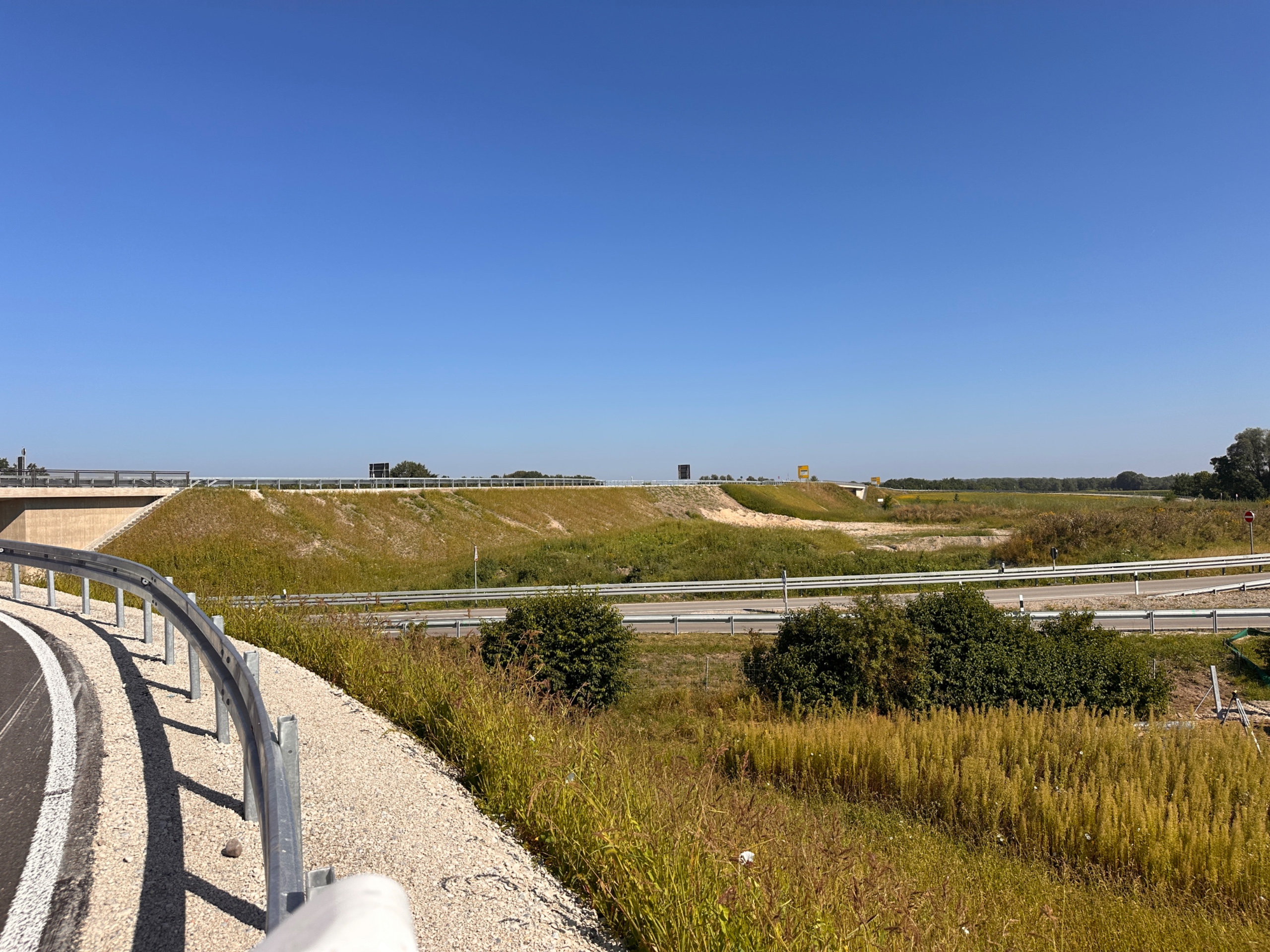
Infrastructure slopes, post-construction revegetation, seasonal erosion control, soil bioengineering for riverbanks and embankments.
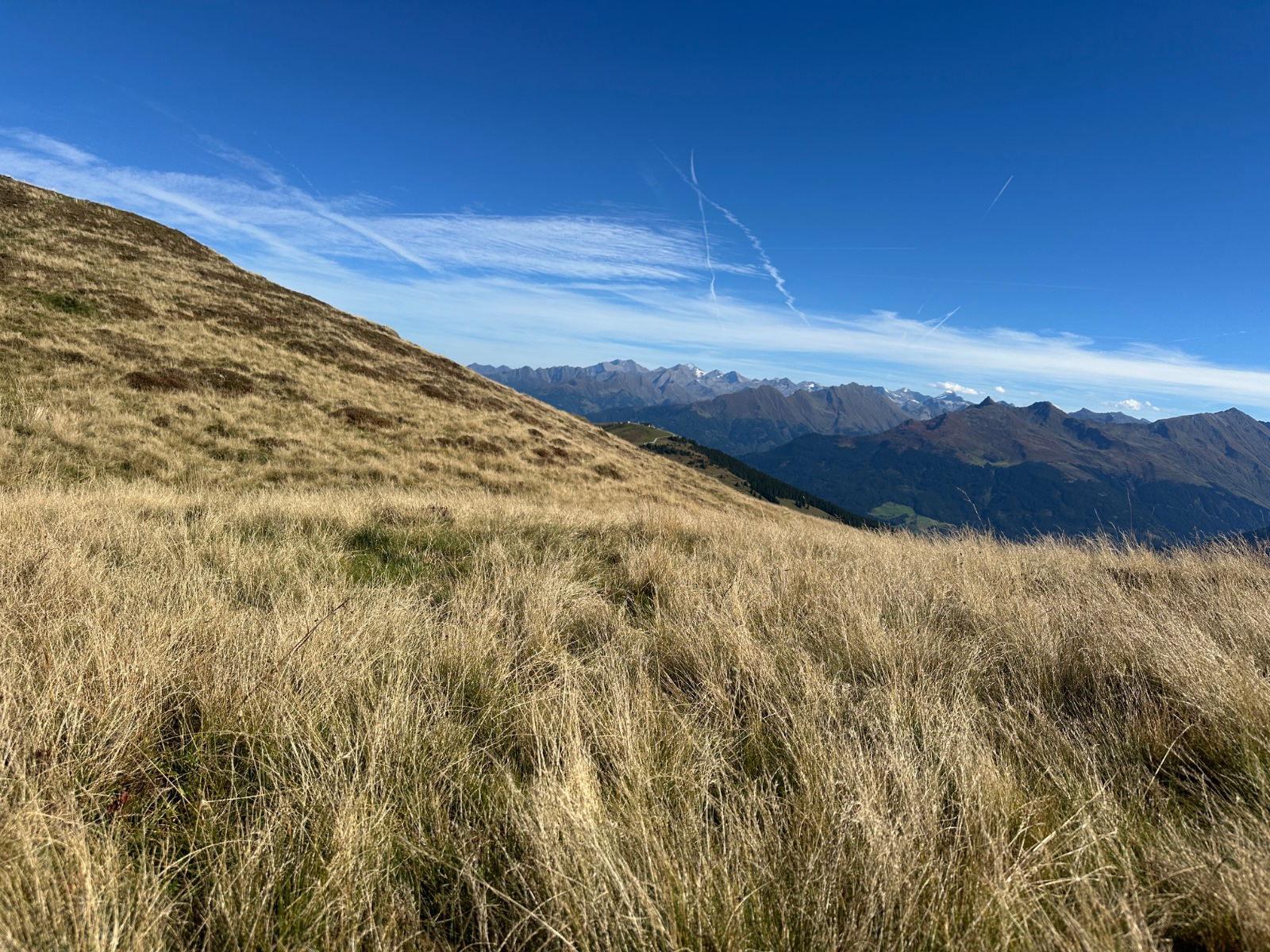
Extreme-altitude revegetation, ski slope rehabilitation, rockfall stabilisation, permafrost-affected terrain management.
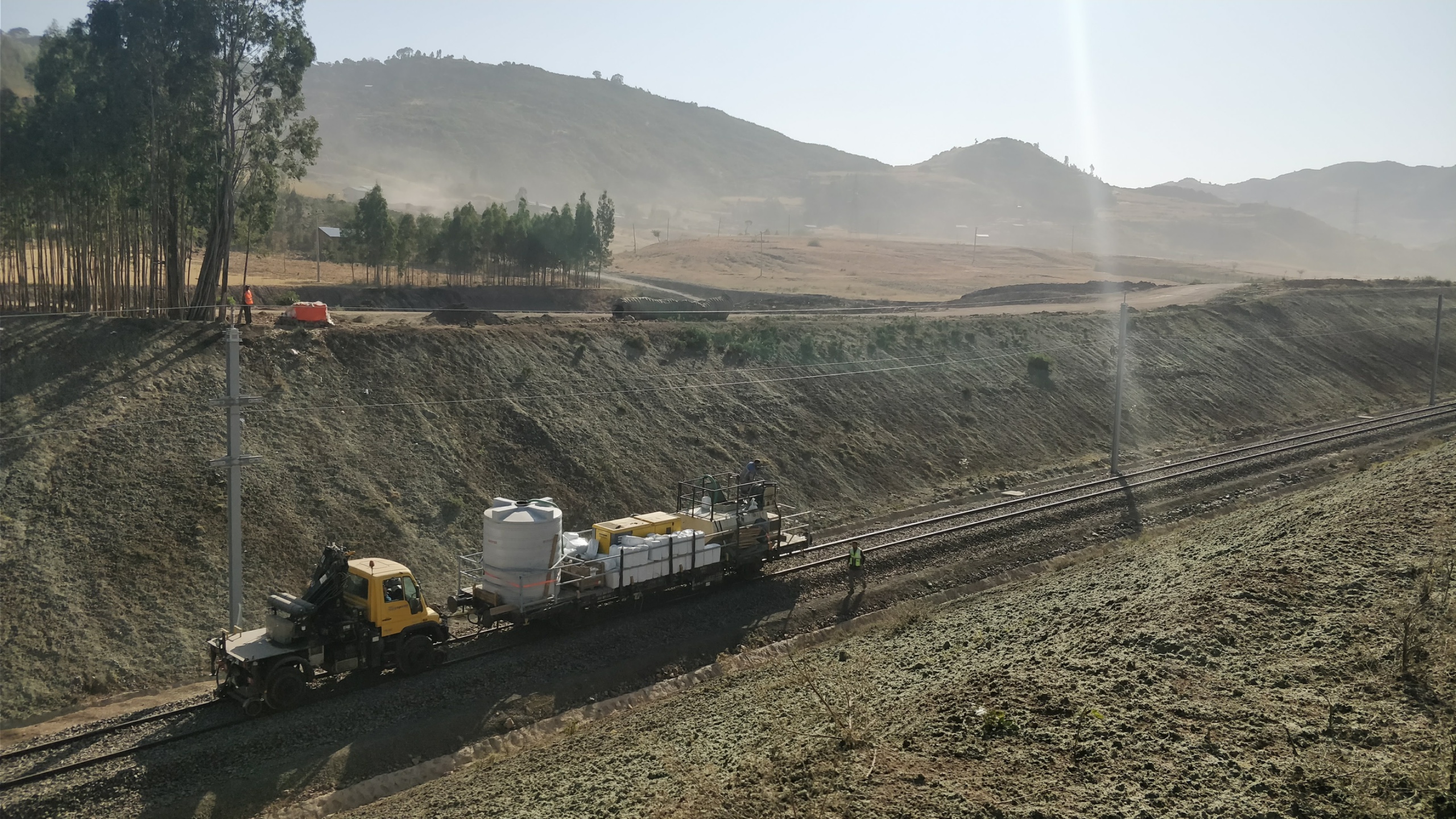
Fire-resilient vegetation, dryland slope management, water-efficient establishment techniques, coastal hinterland protection.
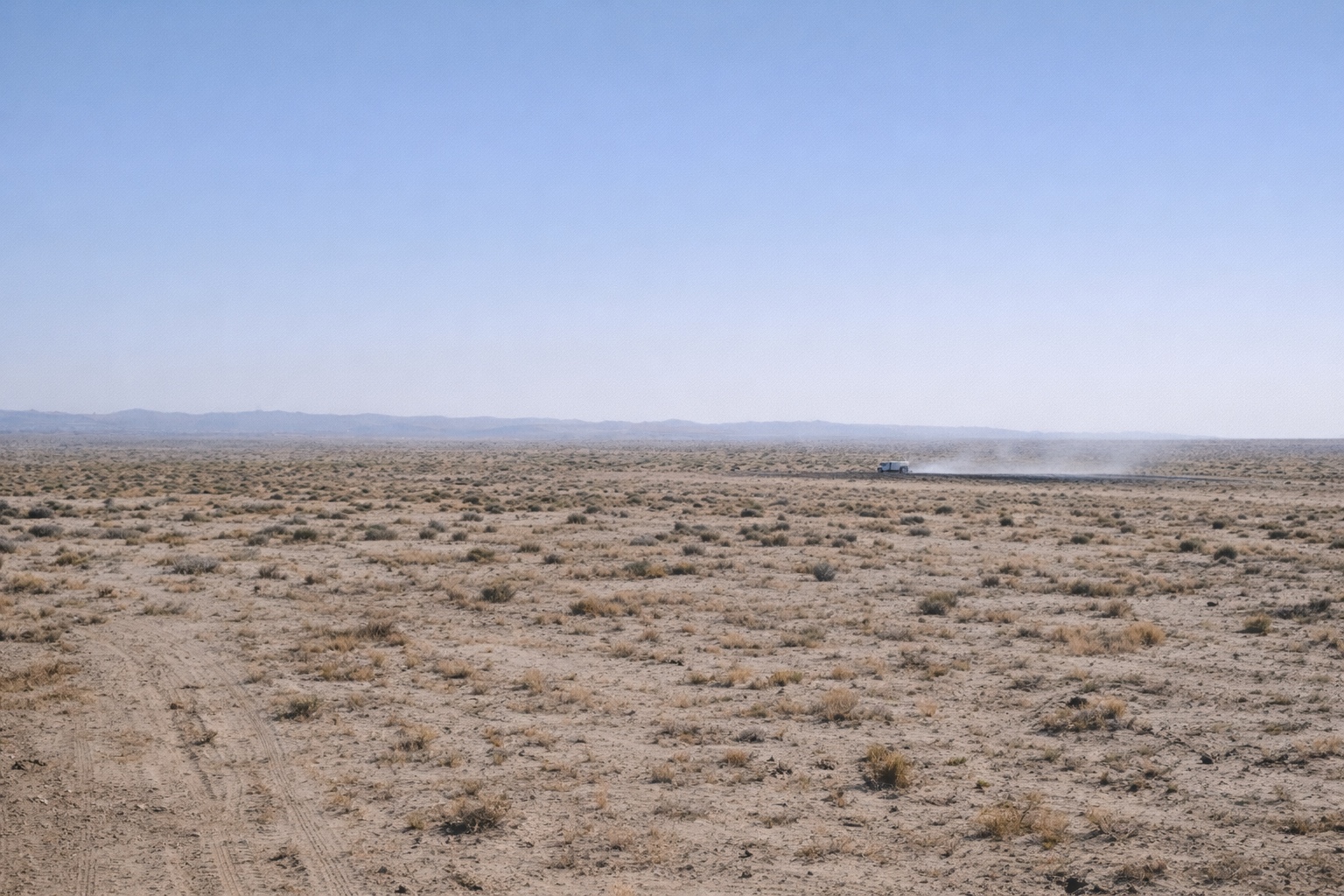
Sand stabilisation, desertification reversal, oasis belt restoration, wind erosion control on exposed terrain.
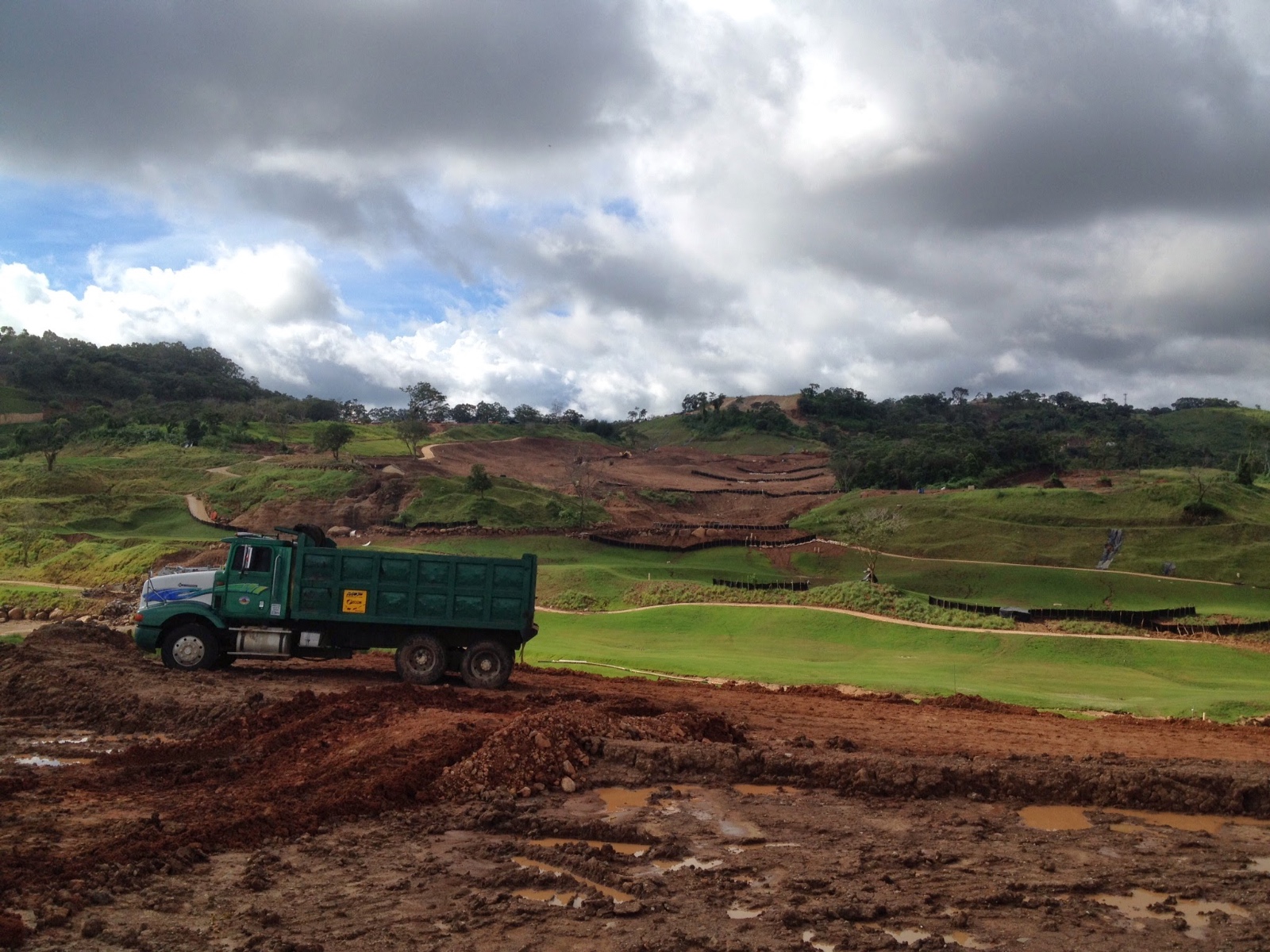
High-rainfall erosion management, plantation fringe stabilisation, laterite slope treatment, monsoon-resilient systems.
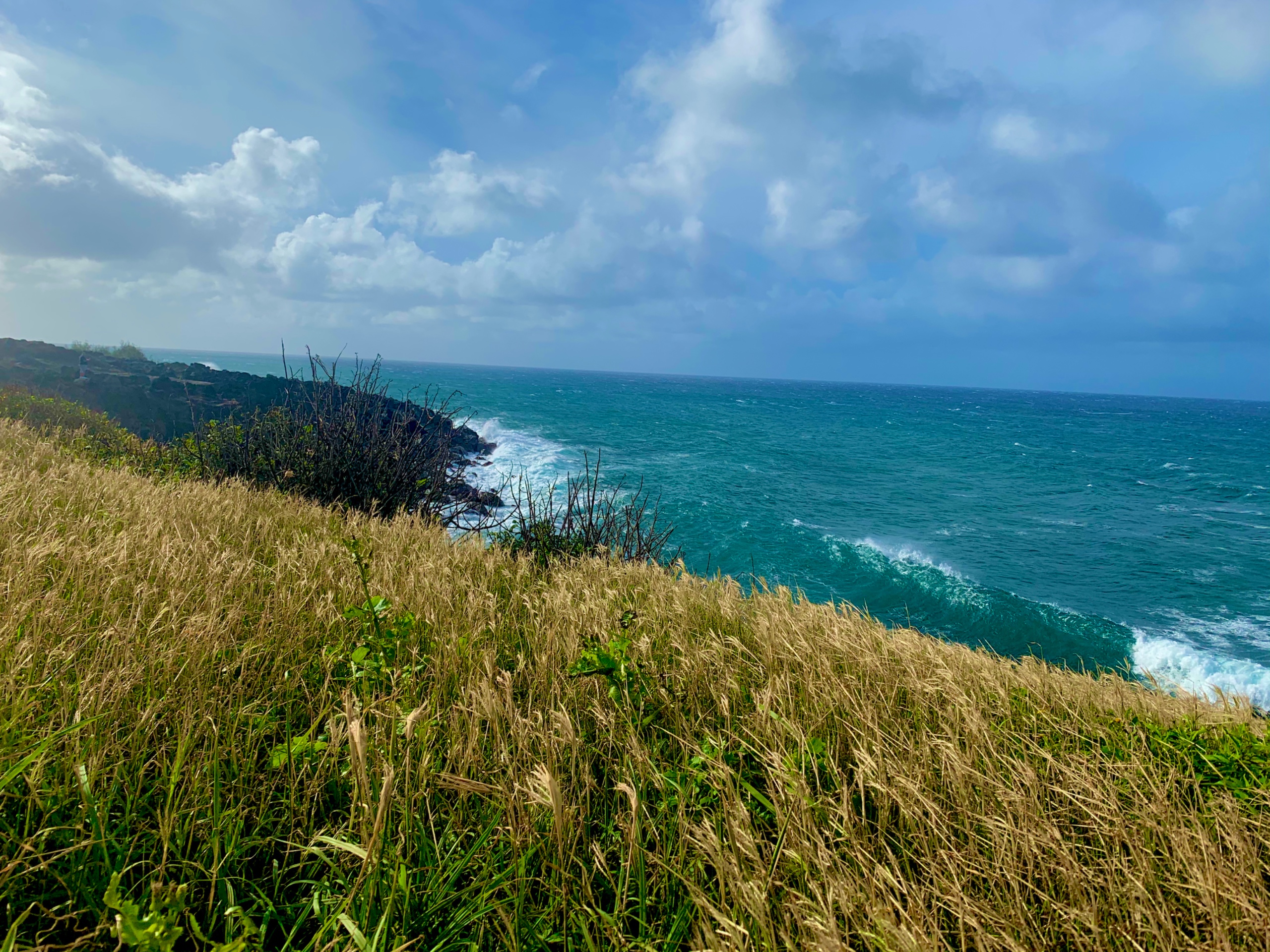
Dune stabilisation, salt-tolerant vegetation, tidal buffer planting, peatland and mire restoration.
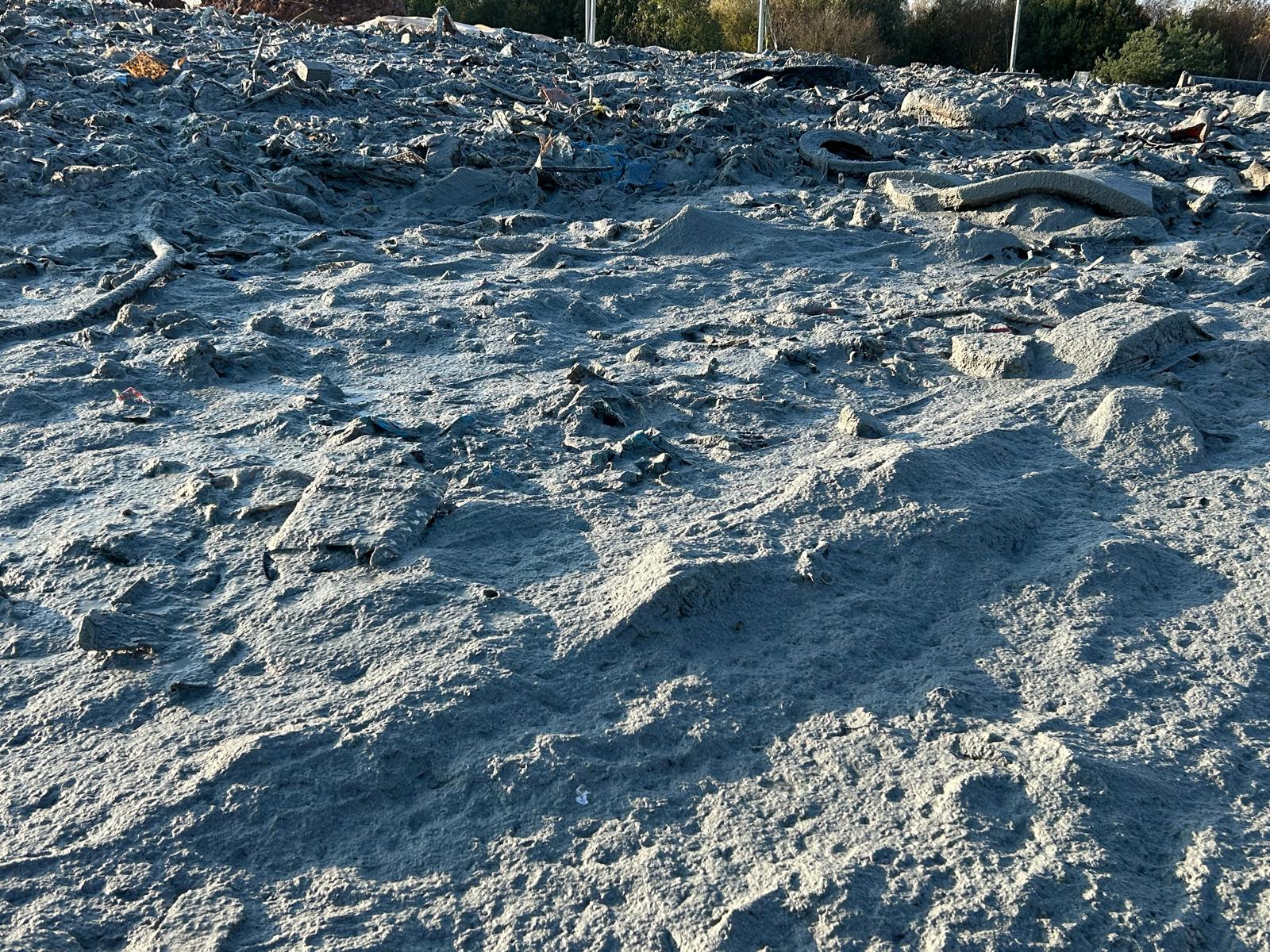
Tailings revegetation, landfill capping systems, brownfield remediation, contaminated substrate treatment.
Field experience creates a specific kind of obligation. Practitioners who have worked across difficult terrain — unstable slopes, degraded drylands, post-mining substrates — develop a clear sense of what is technically feasible, under what conditions, and at what cost. That knowledge is not widely distributed. It sits in the field, not in reports or funding proposals.
GASBE members regularly encounter environmental organisations, research institutions, and greentech startups whose restoration or stabilisation ambitions are genuine but whose technical assumptions are not grounded in field reality. The gap between ecological vision and implementable method is often significant — not because the goals are wrong, but because the engineering constraints of site-specific soil bioengineering are underestimated or unknown to non-practitioners.
Professionalism creates a responsibility to close that gap rather than observe it from a distance. GASBE members are therefore available to environmental organisations, research bodies, and early-stage greentech ventures as:
Ambitious restoration targets have a realistic chance of being met only when they are designed with field practitioners involved from the beginning. GASBE's active initiatives — Desert2Green and the Alpine Vegetation & Restoration Project — reflect this principle in practice.
A structured programme for dryland restoration, sand stabilisation, and oasis-belt regeneration in arid environments.
Focused on high-altitude habitat restoration and technical slope stabilisation in Alpine and Subalpine terrain.
GASBE experts are evaluated and selected based on demonstrated capability, regional relevance, and alignment with the network's principles.